Capital readiness for community development

From community vision to capital ready.

Closing the gap between what communities imagine and what capital can fund.

An introduction to the practice, the work, and the ways an engagement can start.

Christa Stoneham . Connecting Dots and Strategies
Who I Am

Architect by training. Community developer by calling.

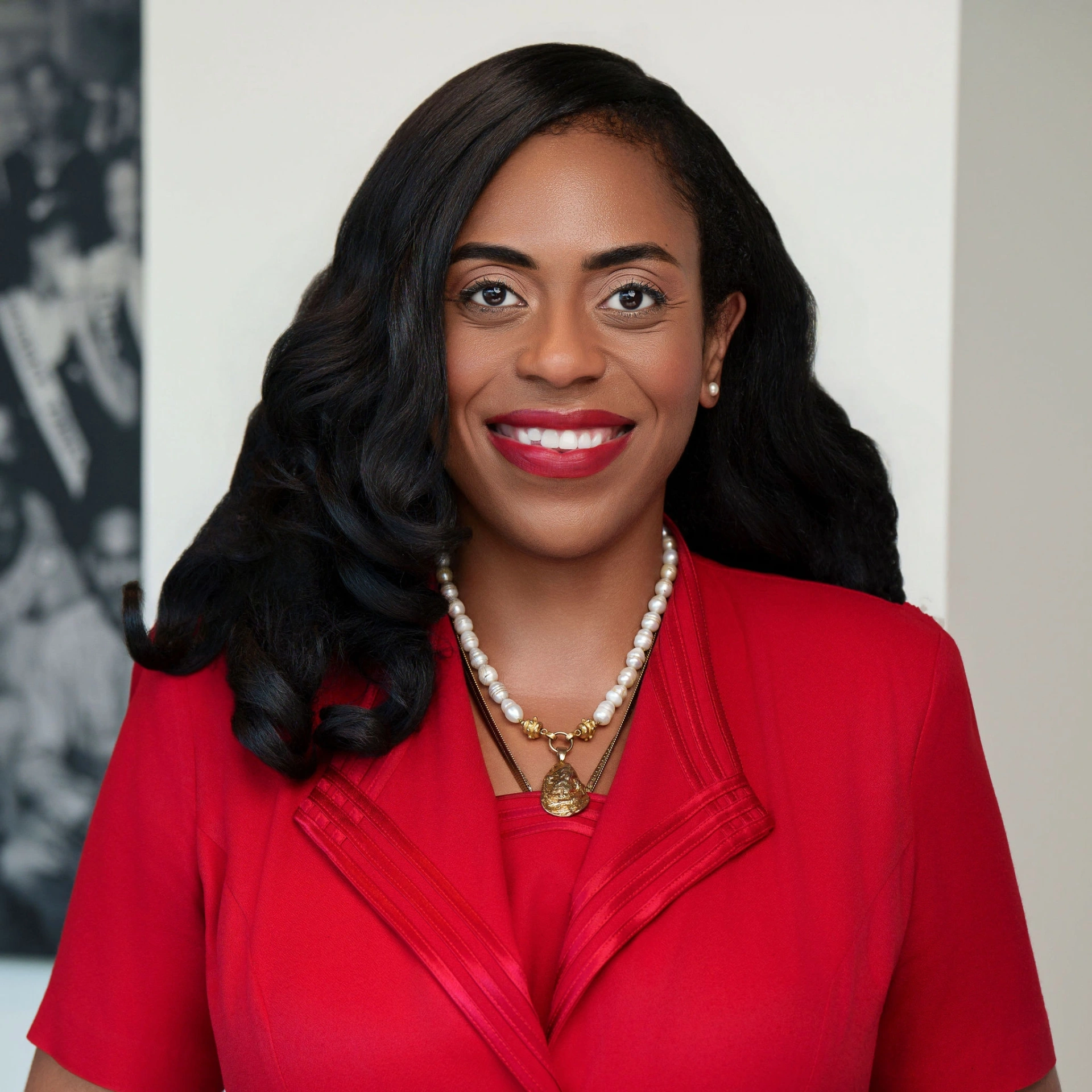
Christa Stoneham, founder of Connecting Dots and Strategies
Christa Stoneham . Founder, Connecting Dots and Strategies

Two decades of practice across municipal government, philanthropy, and land banking, spanning acquisition, disposition, capital stacking, environmental risk, and community engagement. I serve as President and CEO of the Houston Land Bank, the youngest person in the country to lead one.

The organization I lead is itself a coalition: fifteen interconnected programs where builders, trainers, public agencies, and capital partners operate as one system. Entry level builders connect to master builders, training connects to technical assistance, technical assistance connects to capital. I run the connections between them every day.

I also work inside the field's national networks, including board service with the Center for Community Progress, the steering committee of the National Brownfields Coalition, and faith based land work. I founded Connecting Dots and Strategies to bring that operating knowledge to partners.

The work serves organizations that sit one step removed from community as readily as those standing directly in it: intermediaries, funders, coalitions, and networks whose members carry the projects. I meet each one where the decision actually gets made.

$100M+
in land assets stewarded
$30M
deployed across 600 projects reaching 20,000 residents
$5.5M
in federal Brownfields funding, largest award in EPA Region 6
Invited testimony before the U.S. House Committee on Energy and Commerce on brownfield redevelopment, 2025.

I have sat in the boardroom and stood on the vacant lot, and I speak both languages. You get a decision you can fund and defend.
Proof of practice

Built from real decisions involving land, capital, environmental risk, housing, and community trust.

These examples are intentionally summarized at a high level. Project names, partners, and full figures can be shared with the right context.

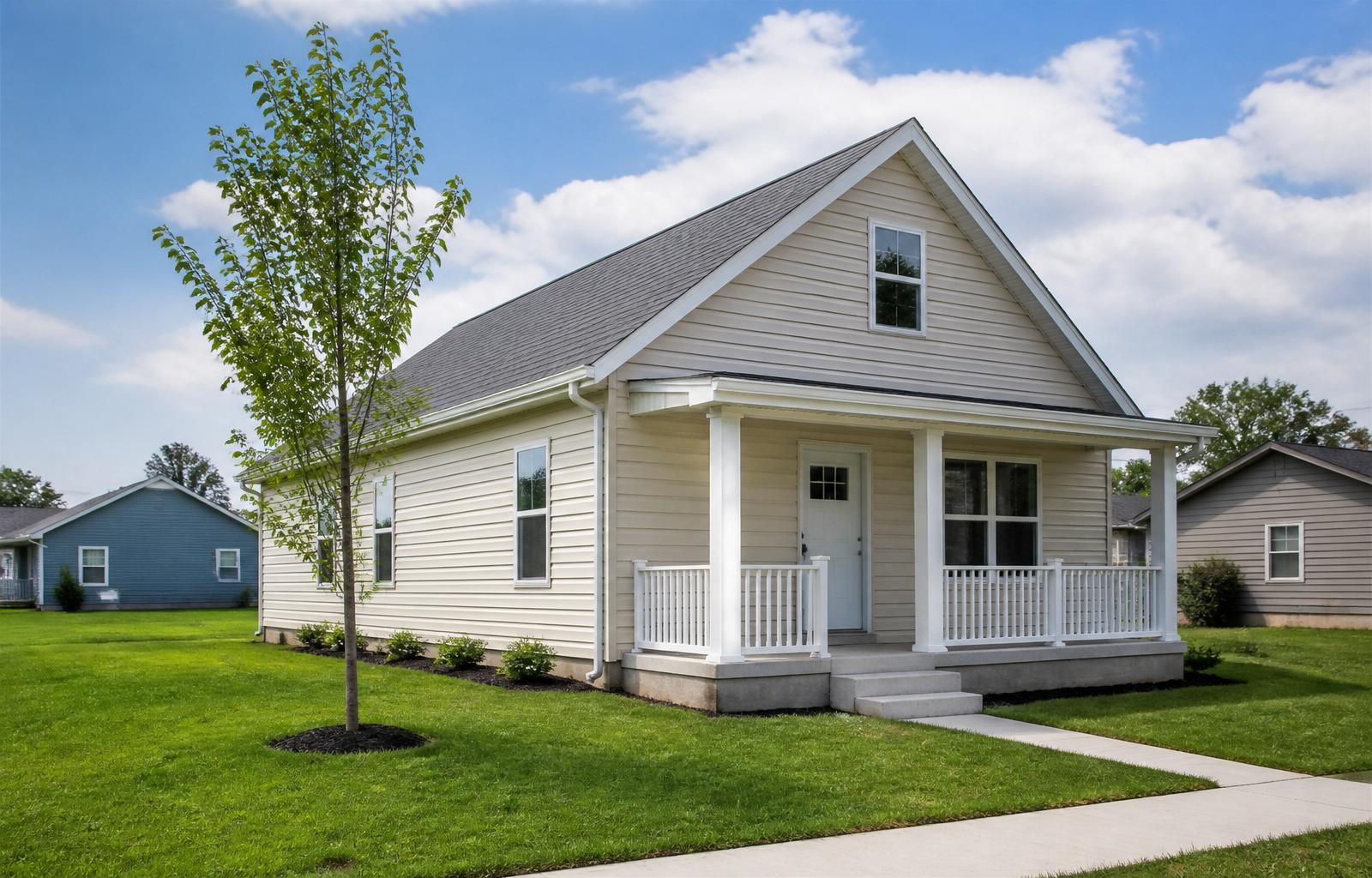
A completed modest single family home delivered through public land stewardship
01
Case study

Public Land to Community Asset

Led decisions across a large public portfolio of vacant, tax delinquent, and underused property in a major American city.

The result

A major American city's portfolio of vacant and tax delinquent property, more than $100 million in land value, moved from liability back into community hands.

What it took

A repeatable way to decide which properties move, when, to whom, and for what outcome, defensible in public, every time.

WHY IT MATTERS

Public land becomes a community asset when the decision rule can be defended in public.

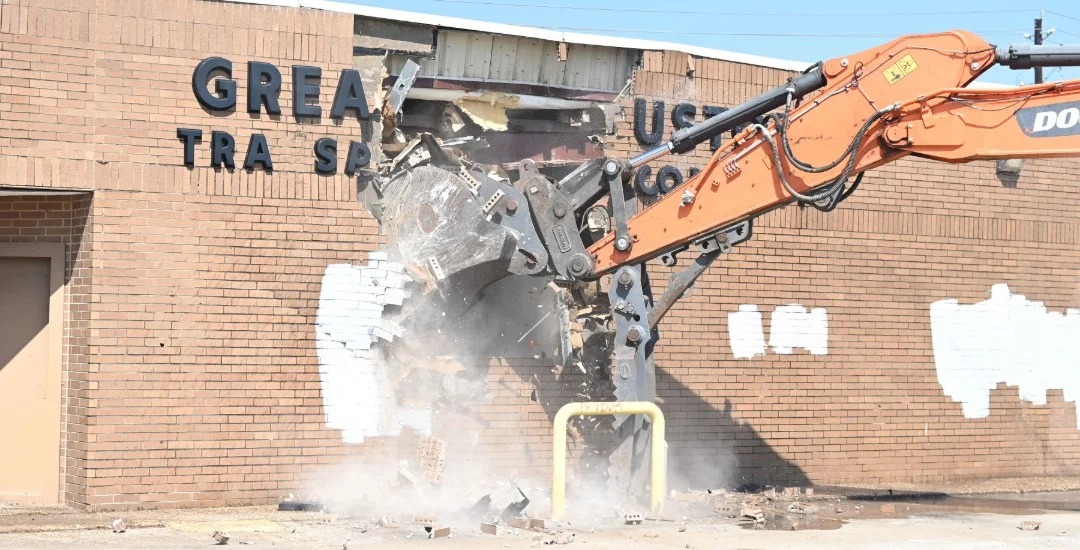
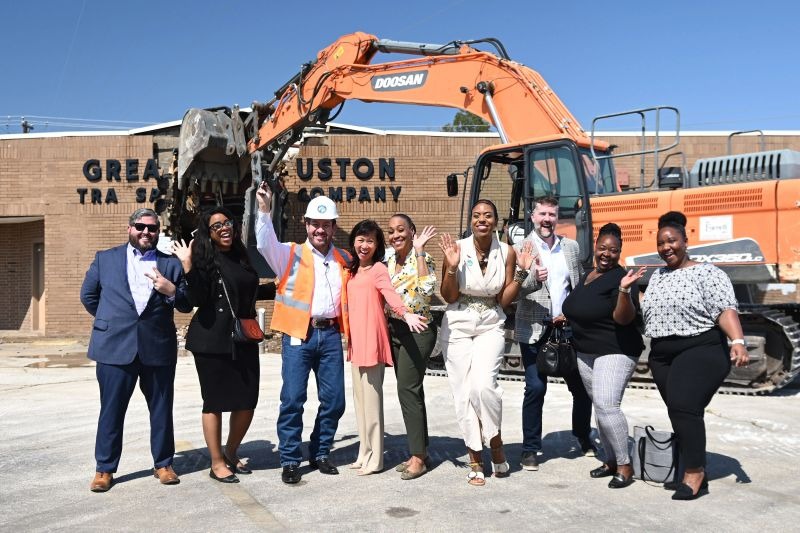
Demolition underway at the former transportation sitePartners and team on site at the start of demolition
02
Case study

Brownfield to Housing Opportunity

Helped move a former transportation and industrial site from environmental uncertainty toward a new affordable housing future.

The result

A former industrial site nobody would touch, now positioned for roughly 120 multifamily units and 40 single family homes, with more than $12 million in acquisition and predevelopment capital assembled.

What it took

Environmental assessment, demolition sequencing, and financing alignment, carried alongside a neighborhood's memory of the site.

WHY IT MATTERS

Complicated sites become implementation pathways when the risk is priced into the plan.

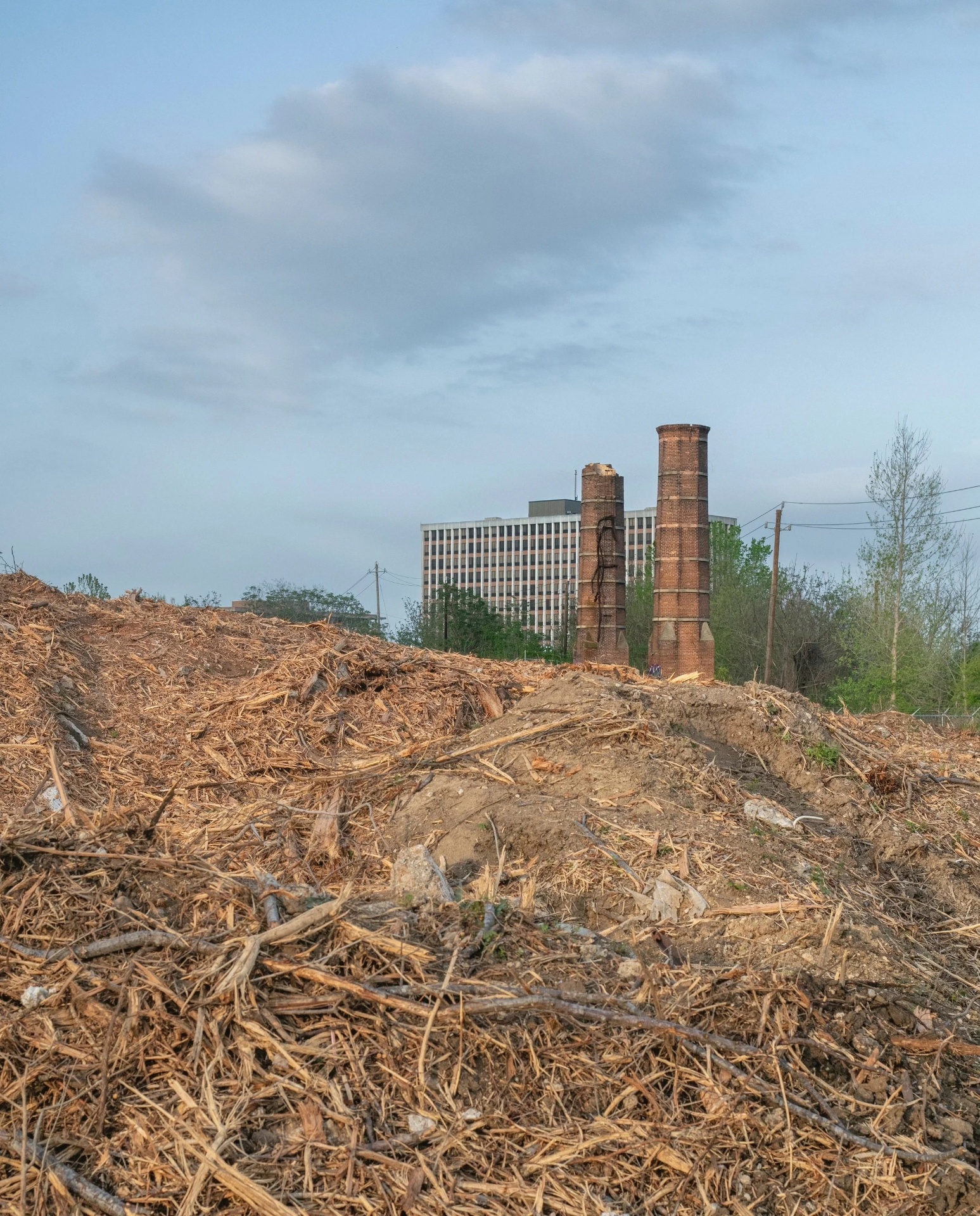
Brick chimneys remaining on a cleared contaminated site
03
Case study

Contaminated Land to Neighborhood Future

Helped lead the reuse pathway for historically burdened property in a legacy Black community.

The result

$5.5 million in federal cleanup funding secured for historically burdened land in a legacy Black community, the largest award in its EPA region.

What it took

Federal strategy and regulatory coordination on one side, resident trust on the other, held together for years.

WHY IT MATTERS

The hardest sites carry decades of harm. The path forward needs technical structure and community accountability in the same hands.

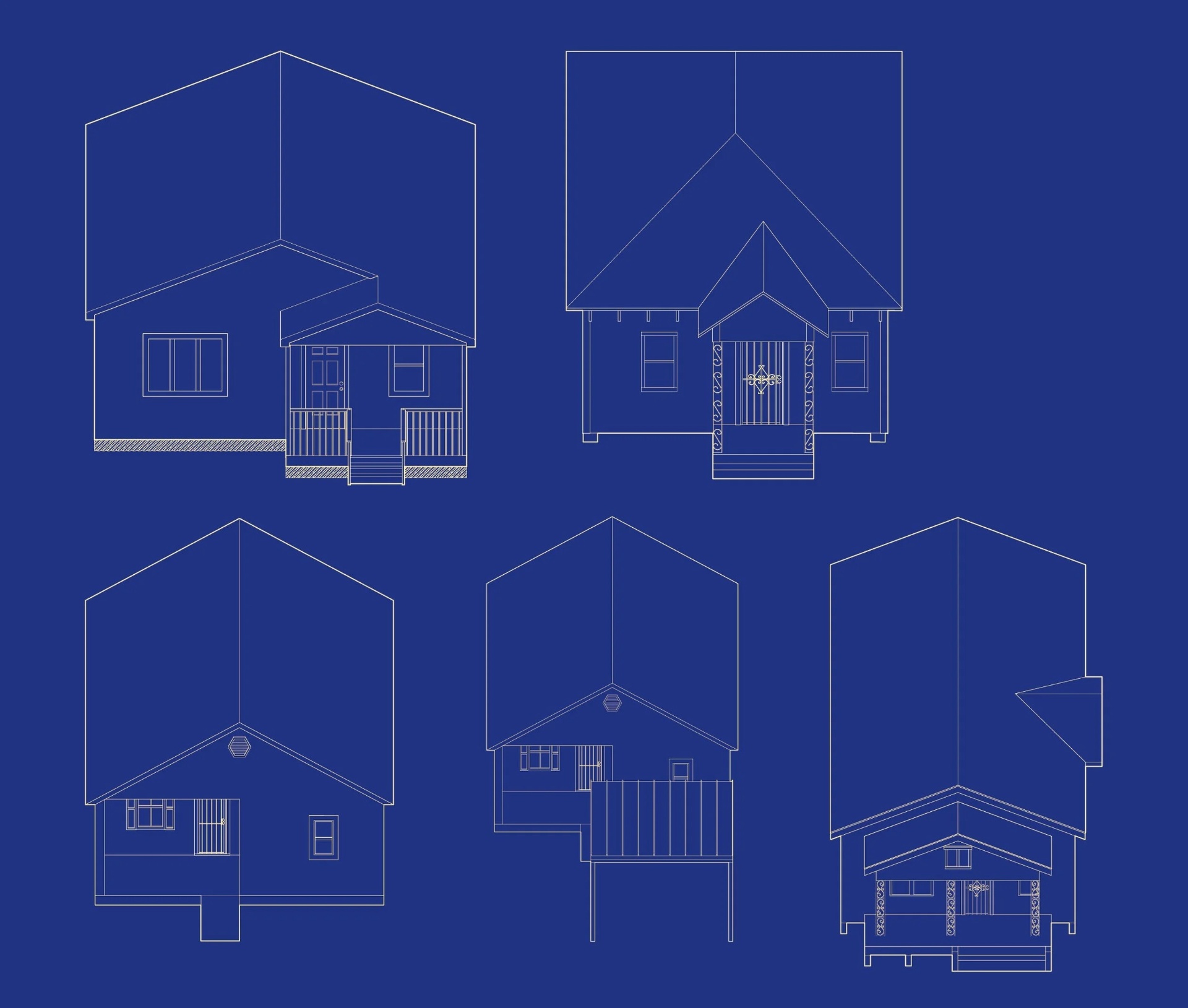
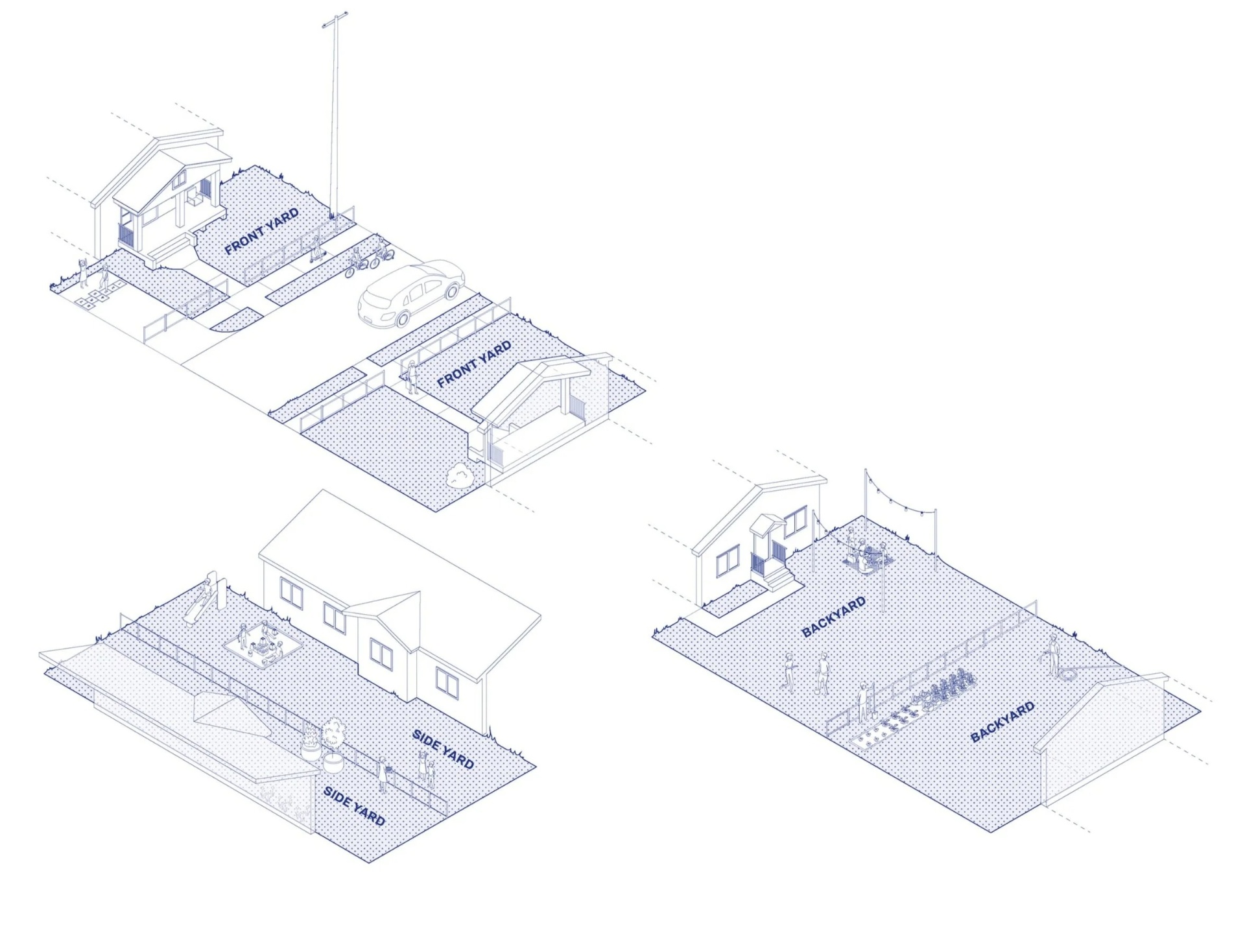
Elevation studies for a replicable affordable homeAxonometric study of front yard, side yard, and backyard conditions
04
Case study

Resilient Housing on Overlooked Land

Small and difficult parcels translated into a housing pipeline for affordable, resilient, and accessible homes.

The result

Small, scattered, difficult parcels turned into a pipeline for affordable, resilient, accessible homes, with more than $700K in design and technical assistance aligned behind replicable home plans.

What it took

Design standards, builder readiness, and resilience criteria that let ordinary builders produce extraordinary housing.

WHY IT MATTERS

Scale comes from a system that makes many small sites buildable.

The Gap

The distance between vision and financing.

“There's this gap between community identifying, visioning, building out a priority around climate resilience hubs, but then connecting the dots with financing. How do you get capital ready for something as big as that? Making it reality is a whole other muscle.”
A question community networks keep asking.

Communities have the vision

Residents can name the hub, the corridor, the priority. Then it stalls, because vision is not what capital reads.

Capital has the intent

Funders and lenders want to move money into these places. They need readiness, structure, and a defensible decision.

The middle is a muscle

Site control, feasibility, readiness scoring, capital mapping, a fundable decision picture. Nobody owns this part, so projects die here.

For Belonging

Belonging is a design decision. It gets made on a parcel.

Networks are asking how community development builds belonging in from the start instead of counting units after the fact. Every belonging outcome I have seen resolves on a specific piece of land: who stays, who owns, and whose name the place keeps. That is where my work sits.

ONE PARCELOne decisionRootsWho staysStakeWho ownsNameWhose name the place keeps

Roots. Protection from displacement.

Site control, acquisition sequencing, and terms that keep residents in place while the parcel changes.

Stake. Ownership of the asset.

Community land trusts, shared equity, cooperative and faith owned structures, and the capital stack that makes ownership real.

Name. The place keeps its identity.

Cultural anchors, local builders, and design standards written by the people who live there, priced into the plan instead of promised after.

The three outcomes share one parcel and one decision. A readiness score, a capital map, and a fundable decision are how belonging gets built instead of described.

For Networks

For networks and coalitions. One bench, one front door, one picture of the work.

Several partners deliver technical assistance, a few also raise money, and members choose by who they happen to know. Consolidation makes the whole bench legible and routes each request to the hands built for it. The function gets pooled. The identity stays with each member.

Today

Same help bought several times.

THE MIDDLESite control, feasibility,readiness, capital map,a fundable decision.Nobody owns it.LatinocommunitiesNative andtribal landsAppalachianand ruralBlack ledCDFIsAAPIcommunitiesImmigrantneighborhoodsFaith ownedlandCommunityland trustsSmall businesscorridorsClimateresilience hubsLegacy BlackneighborhoodsCooperativehousingPartner ATAPartner BTAPartner CTA, fundingPartner DFunding

Every member finds help by who they happen to know. The middle stays empty.

One shared bench

Same members. Same identity. One front door.

ONE FRONT DOORReadinessCapital and fundingTrainingPartners A to D, one bench, paid for onceLatinocommunitiesNative andtribal landsAppalachianand ruralBlack ledCDFIsAAPIcommunitiesImmigrantneighborhoodsFaith ownedlandCommunityland trustsSmall businesscorridorsClimateresilience hubsLegacy BlackneighborhoodsCooperativehousing

The ring does not change. Each member keeps its name, its members, and its specialty.

The same partners, the same money, arranged so members can find the help and the network can see the whole pipeline.
The Aligned Bench. Four steps from scattered to shared.
01

Inventory the bench.

Every partner's real capability, capacity, and cost, written down once.

The network gets

One roster in place of twelve brochures.

Each member keeps

Its own name on its own roster.

02

Map the overlaps.

Where several partners do the same thing, and where nobody does the thing members keep asking for.

The network gets

Its true gap list.

Each member keeps

Its specialty. Nobody is asked to become generic.

03

Set the routing rules.

One intake, clear criteria for who takes what, and a defined moment for the handoff.

The network gets

A front door members can use.

Each member keeps

Its relationship with its members. Routing sends work to them, not around them.

04

Resource it together.

Shared funding for the shared functions, delivered in cohorts, with tools that stay behind.

The network gets

One bench it pays for once, and one picture of the pipeline.

Each member keeps

Its identity and its funding. The pool pays for the shared function, not the member.

A shared bench, resourced together
“Maybe there's a bench of TAs that we could all resource together in a certain geography. Could we do some pooled TA together?”
An idea network leaders keep raising. Here is what it could look like.

I run this model in my own work every day, an ecosystem where training, technical assistance, and capital connect, and where handing off is a feature of the work. Sometimes I do the work. Sometimes I hand over the plan. Both are the job.

What People Bring Me

What people bring me.

Different starting points. Same front door.

A site with competing visions.

What should this land become, and what gets built first? Before the easiest project spends the site's leverage and the anchor no longer pencils.

A portfolio with no priority order.

Of forty parcels, which moves now, and why that one? Sequencing by what unlocks the others.

A funder placing place based capital.

Which projects are ready, and what does closing the gap cost? Before a grant sits eighteen months because nobody priced predevelopment.

An organization that keeps hearing no.

The mission is real and the applications keep dying. Readiness scoring finds what funders are actually seeing, and a funding path fixes it.

A team that wants to run this themselves.

Training, workshops, and the Navigating Change series, so the capability gets built inside the team and stays with them.

A network whose members work in silos.

Twelve organizations, one mission, and nobody can see the whole board. I build the connective layer, mapping, routing, and a pooled bench.

Whatever you walk in with, the path is the same: a conversation, a scoped first step, and the work. 

What I Do

Technical assistance that starts where the report ends.

Readiness diagnostics

Scored assessments showing where a project is ready and where it is not, before anyone spends money finding out. Includes borrower readiness before the lender conversation.

Decision environments

The Investment Map: parcels, priorities, scenarios, costs, and funding gaps in one picture a board can defend.

Capital and funding strategy

Stack design, sequencing, and the path from published plan to capitalized project.

Training and curriculum

Navigating Change, workshops, cohorts, and peer exchange, so the muscle gets built inside member organizations and stays there.

Training and curriculum

Navigating Change. The capability gets built in house.

A module series on the internal systems people need to move things externally: advocacy, stakeholder mapping, capital literacy, succession planning, and the decisions that shape place. Delivered as workshops and cohorts, with toolkits that stay with the team.

The series

Sequenced modules teams work through together.

Workshops and cohorts

Live sessions built around the projects members bring.

Peer exchange

Members teach each other from live projects, and the material stays in the network.

Named offerings: The Investment Map, the Funding Navigator, the Navigating Change series, the Bench Inventory and Network Working Session for networks, executive advisory, and custom builds when the problem fits nothing on the list.

Next Step

Start with the inventory, or start in the room.

Share this with your team. The first step is small enough for one person to approve and large enough to show the whole board.

Opens your print dialog. Choose Save as PDF.

Prepared by Christa Stoneham. Connecting Dots and Strategies. christastoneham.com